India's heritage is a living legacy of magnificent monuments, timeless traditions, vibrant art, ancient knowledge and extraordinary cultural diversity.
Indian heritage is one of the richest and oldest in the world. It reflects thousands of years of history, architecture, literature, philosophy, science, spirituality and artistic excellence.
Every region of India contributes something unique— majestic forts, magnificent temples, colorful festivals, classical dances, traditional music, hand-crafted artwork and diverse customs that have been passed from generation to generation.
This extraordinary heritage unites people through shared values while celebrating cultural diversity, making India truly incredible.
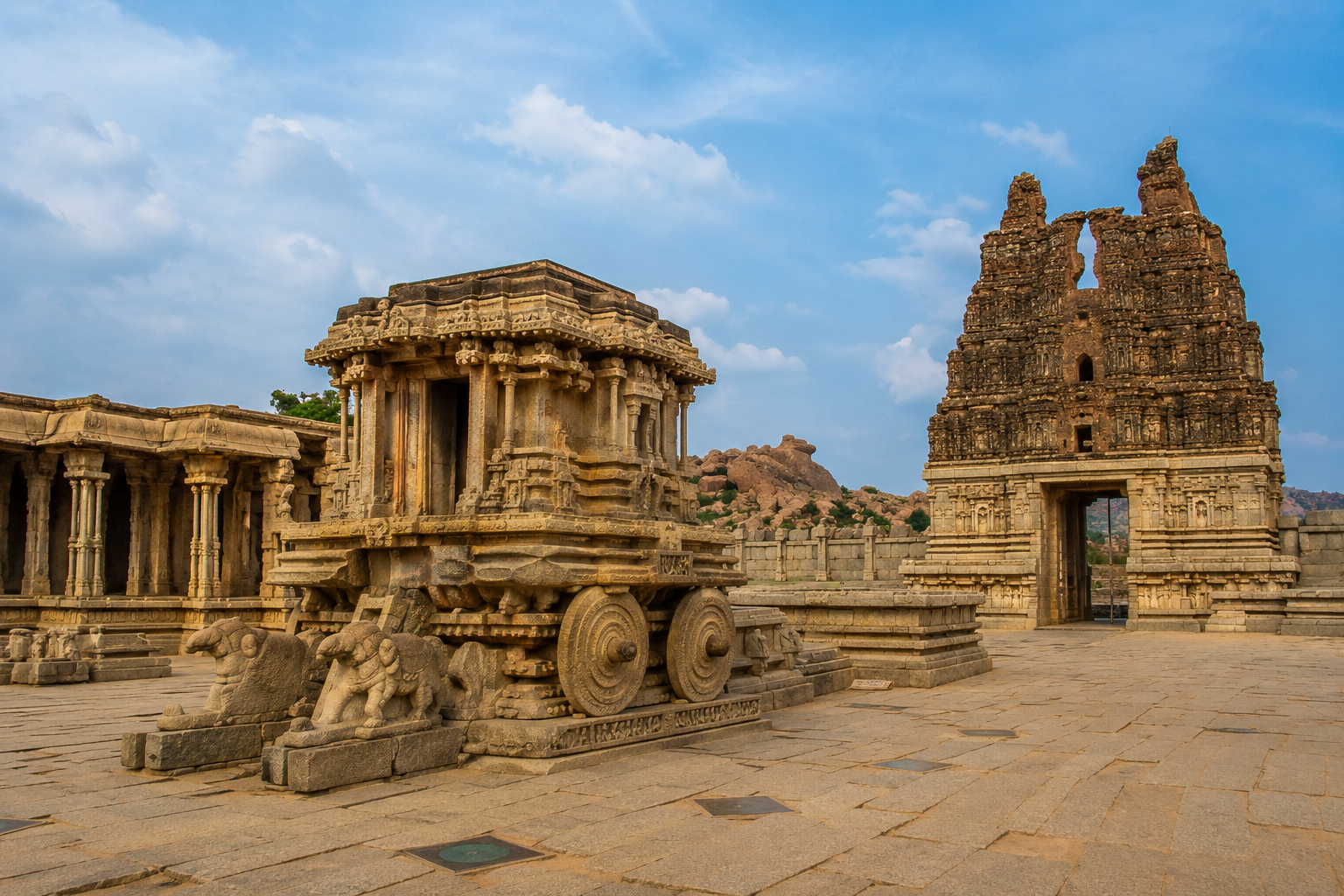
Explore HeritageIndia proudly hosts numerous UNESCO World Heritage Sites, recognized for their outstanding cultural and historical importance.
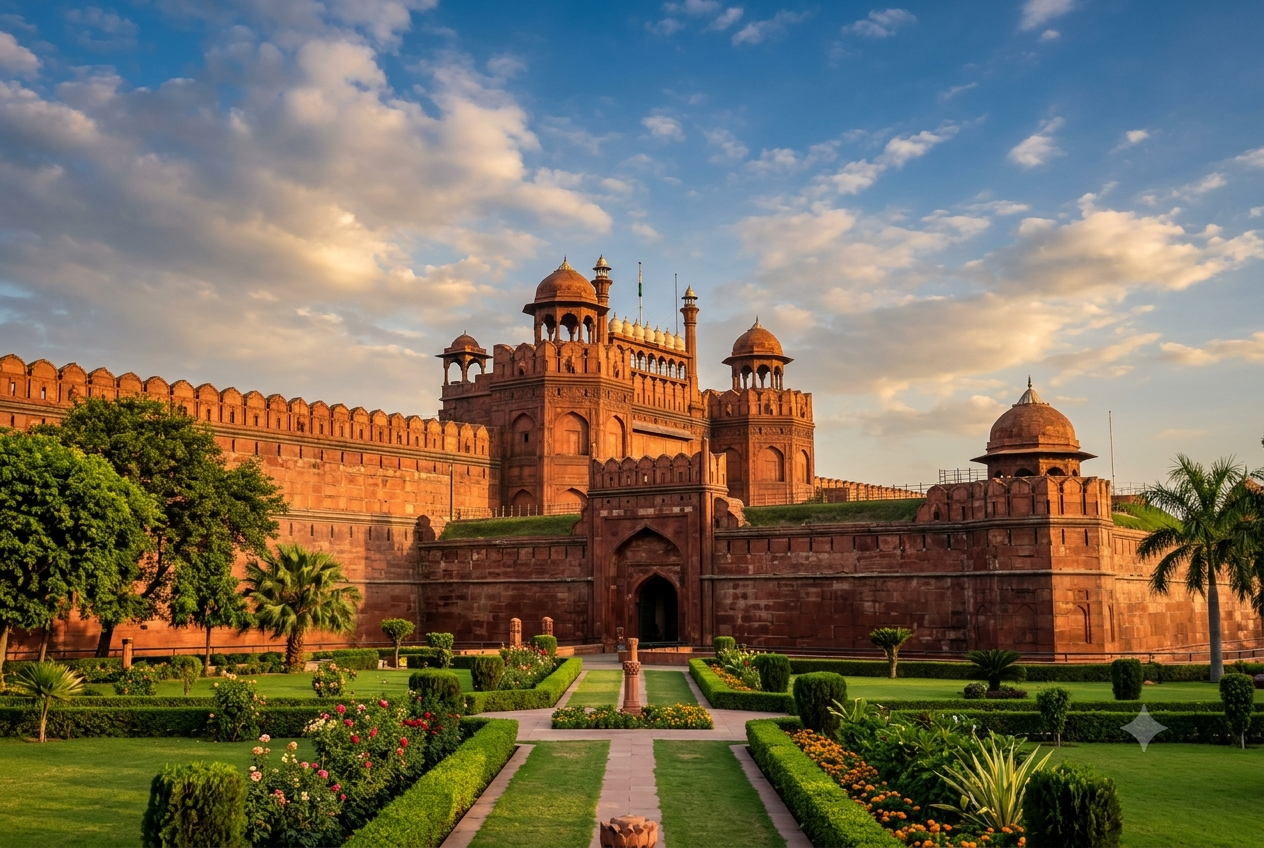
Built by Shah Jahan in the 17th century, the Red Fort stands as one of India's greatest symbols of history and freedom.
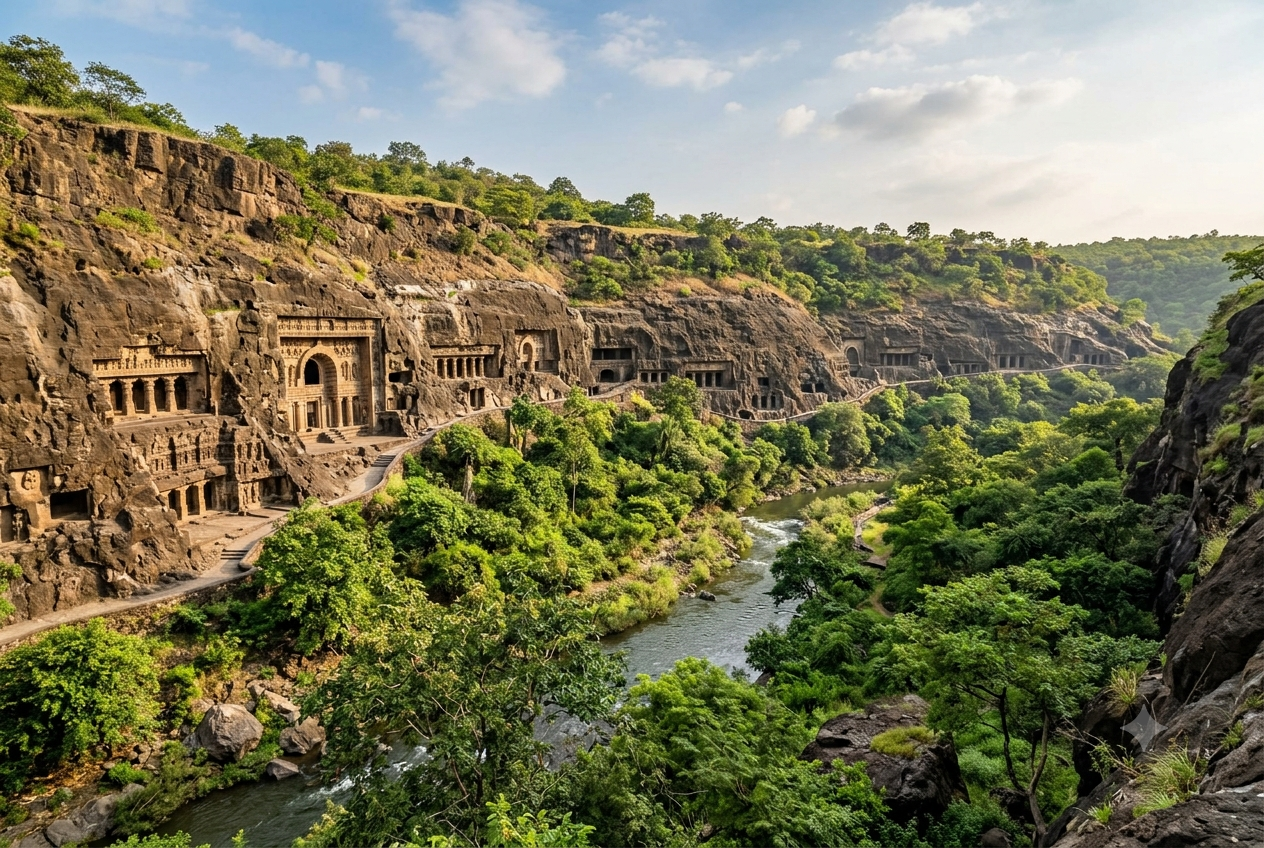
Famous for breathtaking Buddhist paintings and remarkable rock-cut architecture created over two thousand years ago.
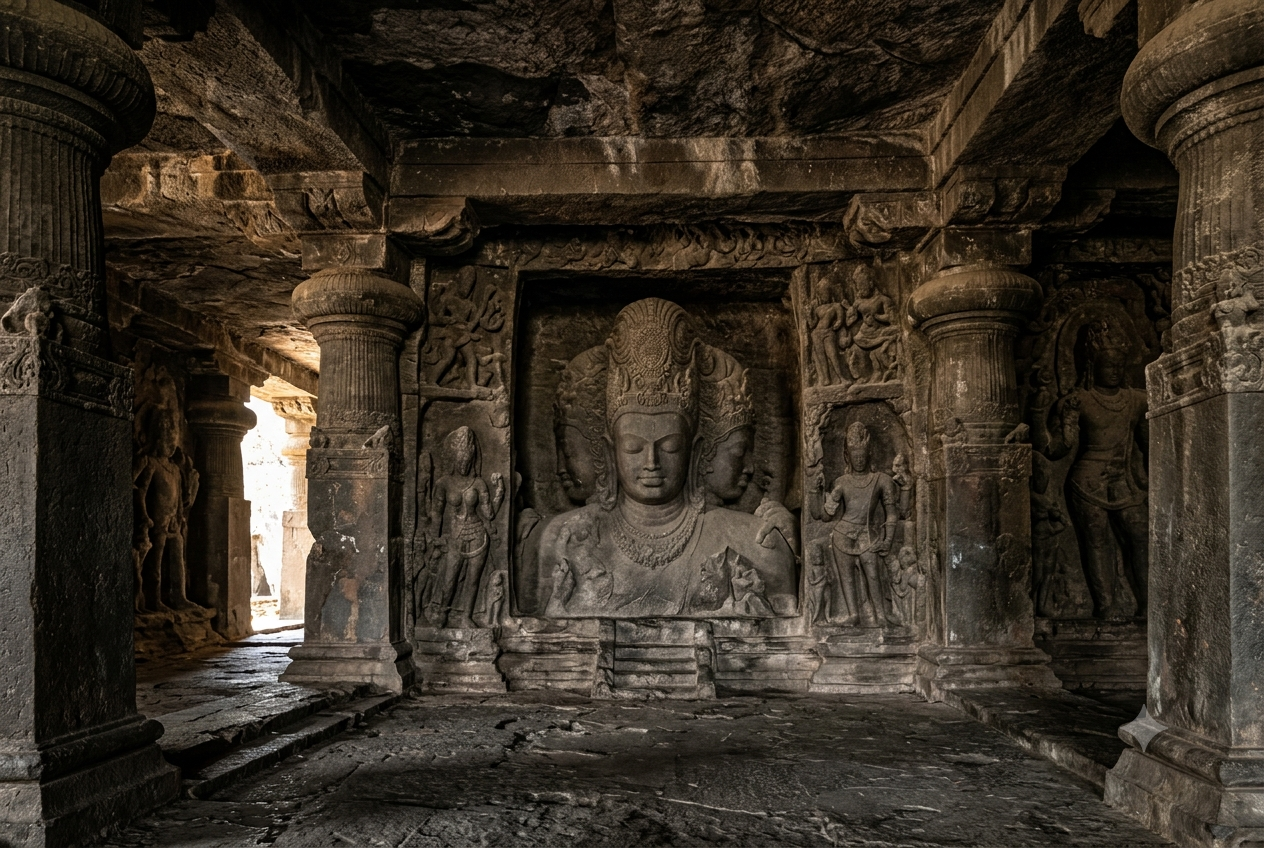
Located near Mumbai, these caves contain magnificent sculptures dedicated to Lord Shiva and showcase ancient artistry.
India's cultural identity is reflected through its classical dances, folk art, music and centuries-old craftsmanship.
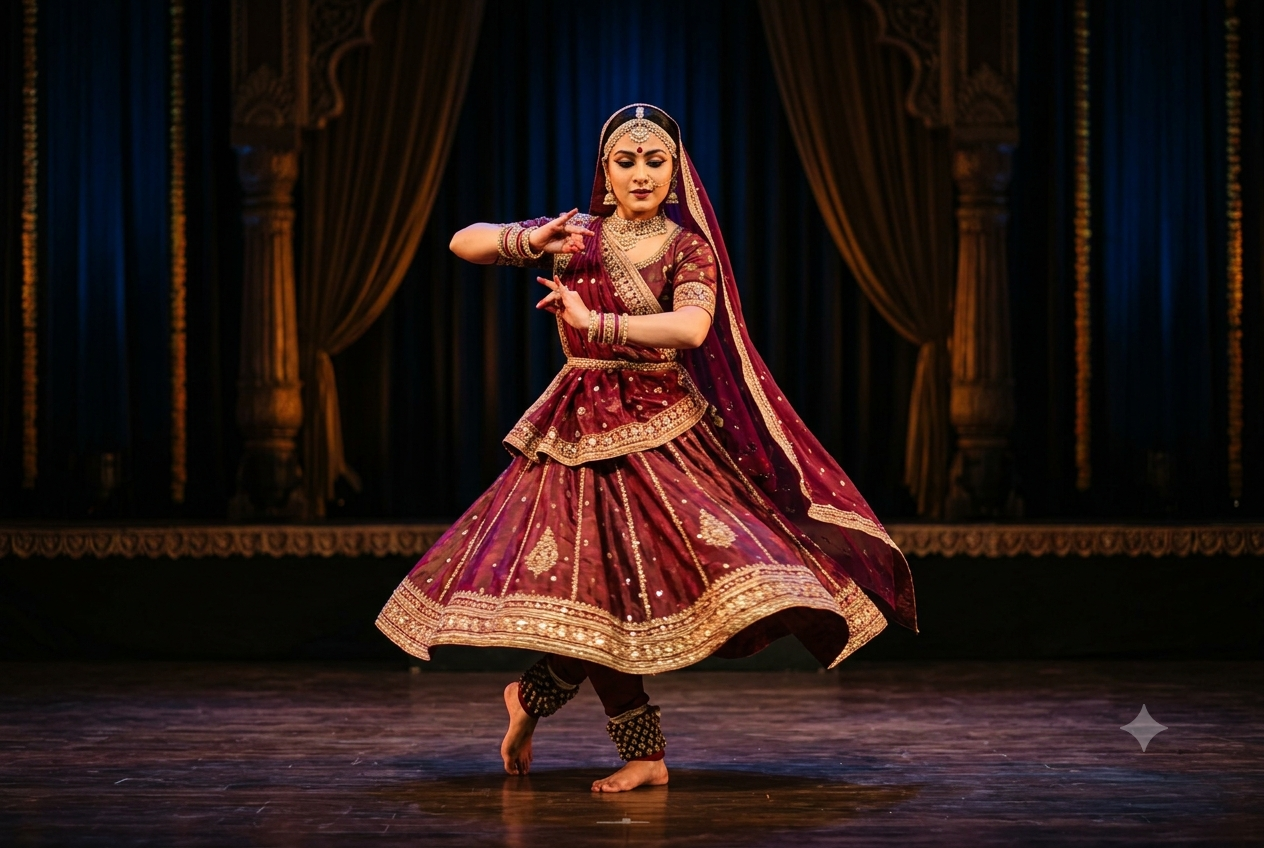
A graceful North Indian classical dance famous for rhythmic footwork and expressive storytelling.
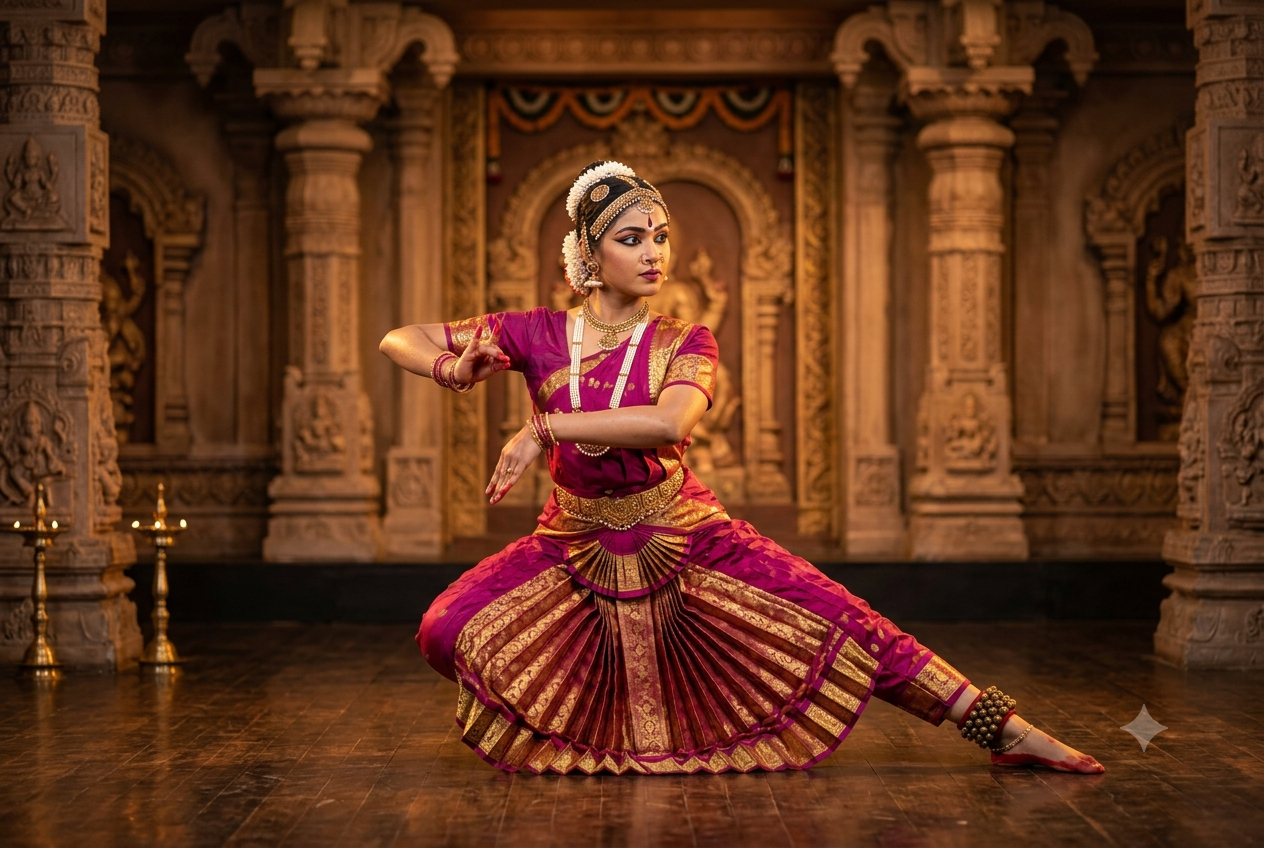
One of India's oldest dance forms, originating in Tamil Nadu.
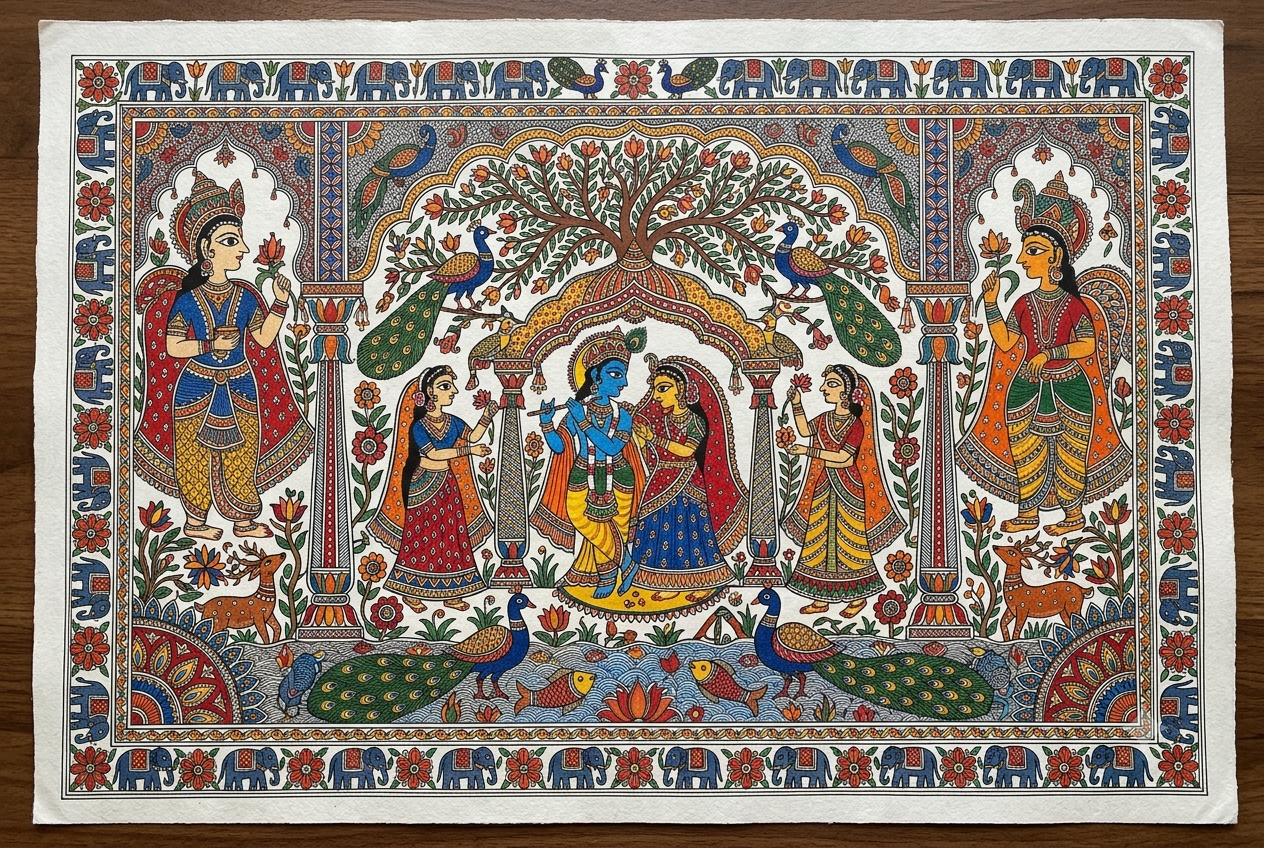
A vibrant folk painting tradition from Bihar, admired across the world.
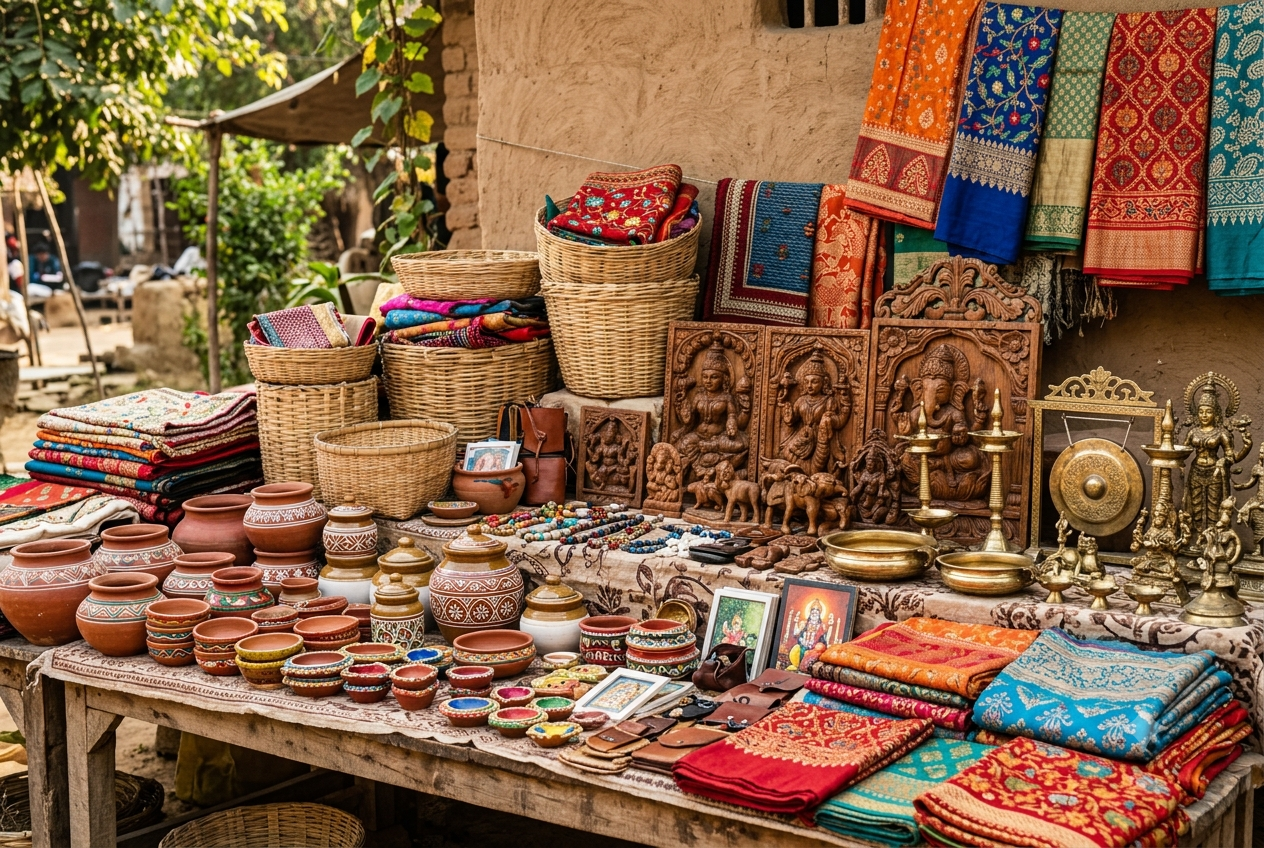
Handmade masterpieces created by skilled artisans across different regions of India.
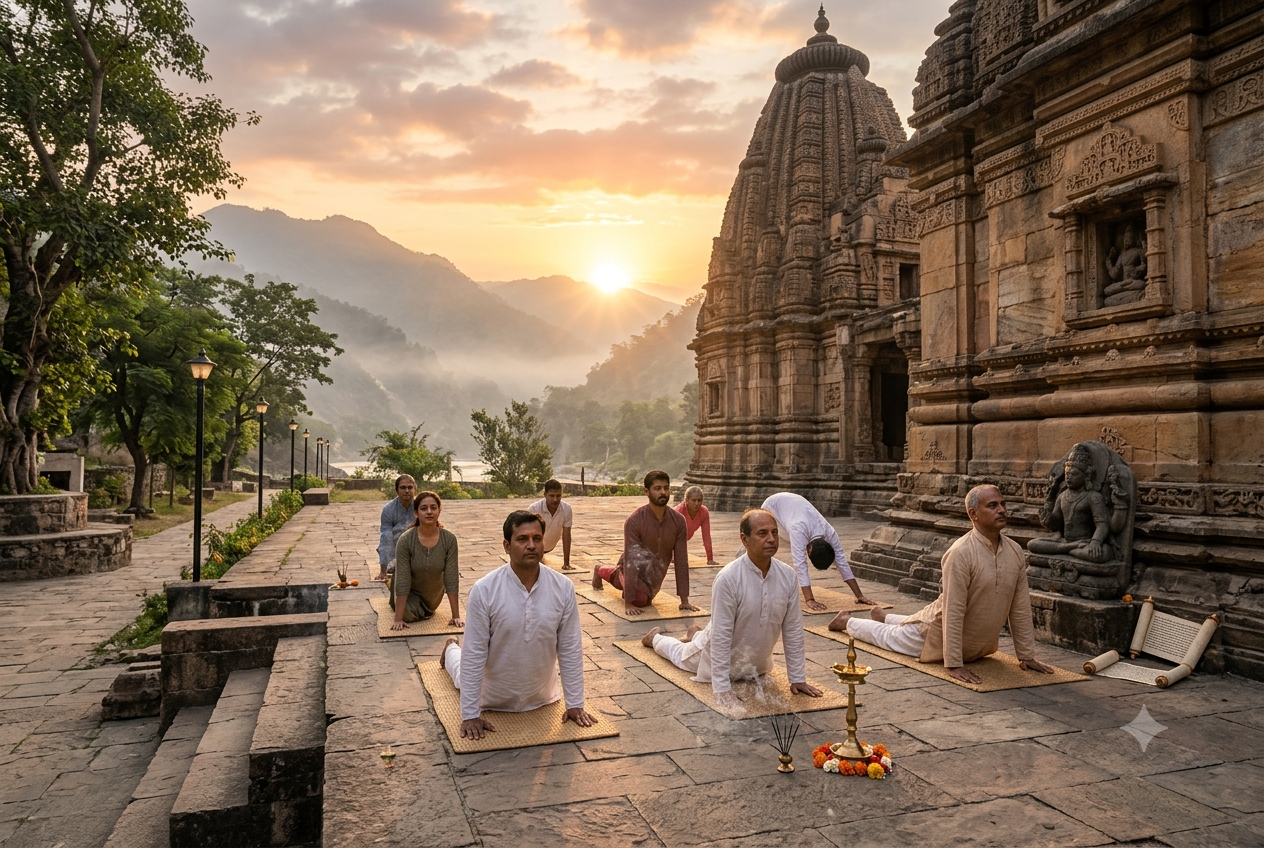
Heritage is more than monuments. It includes traditions, rituals, festivals, music, languages and knowledge that continue to shape Indian society.
UNESCO World Heritage Sites
Official Languages
Years of Civilization
Traditional Art Forms
"A nation's culture resides in the hearts and in the soul of its people."